Northglenn Local
Drywall Painting in Northglenn
Surface prep, priming, and a smooth finish that holds up in Colorado's climate.
Request an estimate
Tell us what you need
Northglenn Drywall Painting Done to Last
Domínguez Painting LLC handles drywall painting in Northglenn for homeowners who want walls that look right and stay that way. The most common question we get is what needs to happen before a single drop of paint touches the wall, and the honest answer is: more than most people expect. Bare drywall is porous. Skip the primer or rush the mud work, and you'll see every seam and screw dimple through the topcoat within a year. Call (970) 576-6160 before you start, and we'll walk you through exactly what your project needs.
What drives cost on a drywall painting job is preparation. New drywall that hasn't been finished requires taping, mudding, sanding, and at minimum one coat of PVA primer before any paint goes on. Existing walls that have been repainted before may only need light sanding and a spot-prime on any patched areas. Surface condition, room size, finish level, and ceiling height all factor in. A flat bedroom ceiling is a different job than a vaulted living room with fresh drywall. Every job is different. Contact Domínguez Painting LLC for an accurate estimate.
What Drywall Painting in Northglenn Involves
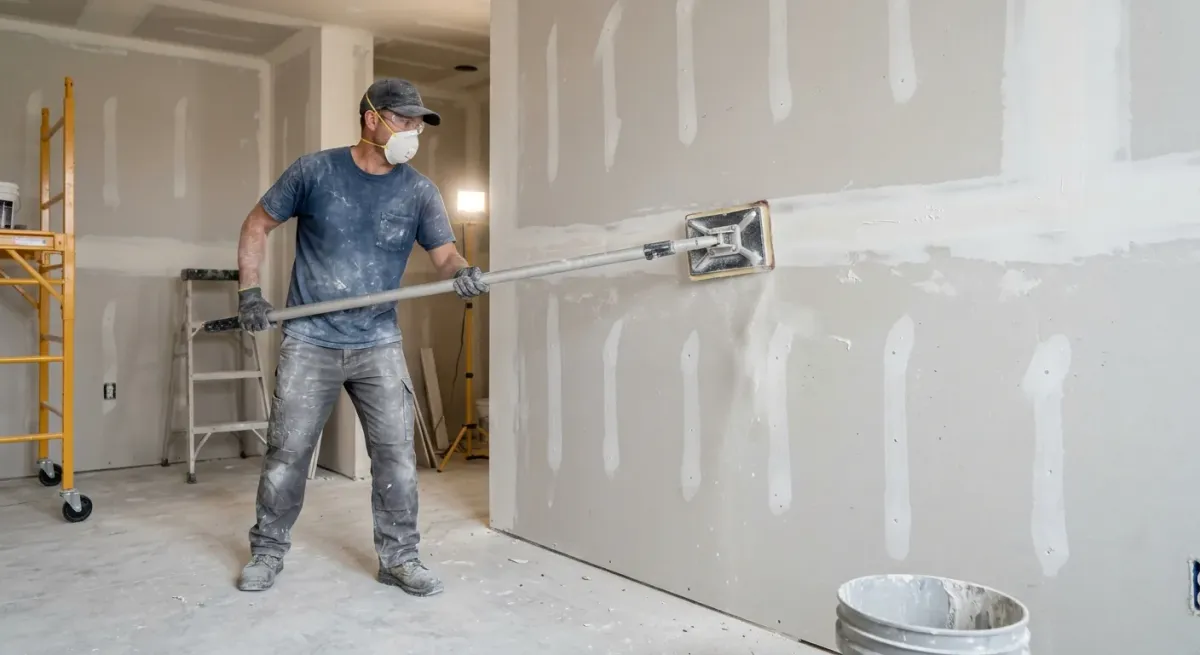
- Inspect and repair surface imperfections before any primer is applied
- Sand seams, butt joints, and screw dimples to a flat, uniform surface
- Apply PVA or high-build primer to seal bare or repaired drywall
- Roll two coats of finish paint, cutting edges clean on every pass
- Cost depends on room size, surface condition, finish choice, and ceiling height
Surface Prep
Why Prep Makes or Breaks the Finish
Paint won't fix a bad surface. The work before the roller matters most.
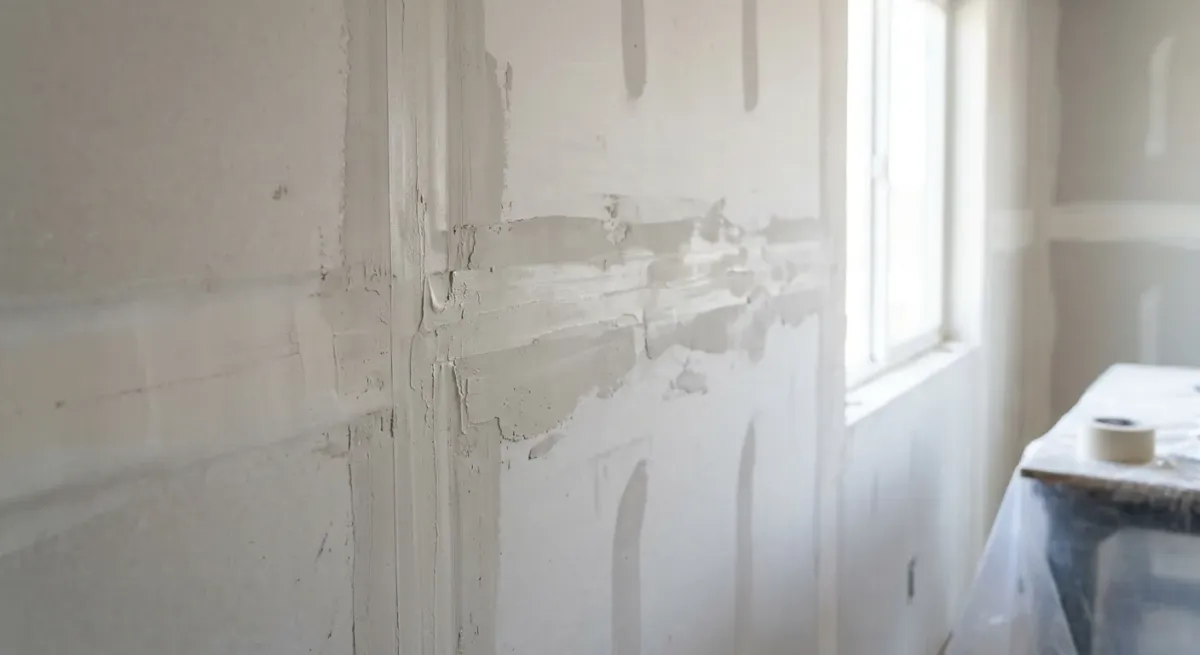
Mud and Tape Inspection
Any seam that wasn't feathered wide enough will telegraph through paint, no matter how many coats you apply. We check every joint and re-skim anything that's proud or hollow before priming.
Sanding to Level
Drywall compound shrinks as it cures, which means what felt flat when wet isn't always flat when dry. We sand in stages and check with a raking light before we're satisfied.
Priming New Drywall
Bare drywall soaks up paint unevenly. The paper face absorbs at a different rate than the compound, so without a PVA primer you get sheen variations called 'flashing' that no amount of topcoat corrects.
Spot-Priming Repairs
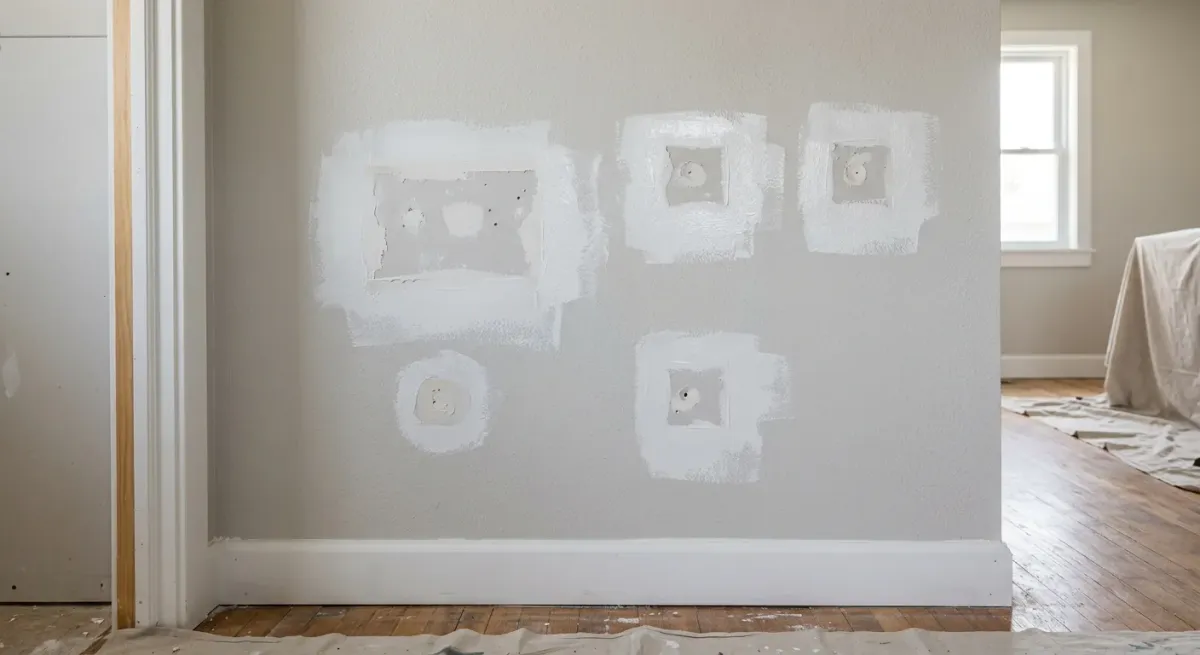
If your walls have been patched, the patched areas need to be primed separately before the finish coat. Skip that step and those spots will look duller than the surrounding wall.
Colorado's Climate and Your Drywall Finish
Our Process
How We Approach Every Drywall Paint Job
- 01
Inspect and Repair
We walk the room before anything else, noting every crack, pop, seam gap, and texture inconsistency. Repairs happen first. We don't prime over problems and hope the paint covers them.
- 02
Prime for the Surface
New drywall gets PVA primer. Repaired walls get spot-prime on every patch. The goal is a uniform absorption rate across the entire wall before a drop of finish paint touches it.
- 03
Apply and Finish
Two coats of finish paint, minimum. We cut edges first, roll the field, and check coverage under a raking light before calling the room done. The residential painting standard applies to every room we touch.
Choosing the Right Paint Finish for Each Room
Finish choice affects how the wall wears, not just how it looks.
Flat or Matte
Hides surface imperfections better than any other finish. Best for bedrooms and low-traffic ceilings where you don't need to wipe the wall down. Not washable, so keep it away from kitchens and kids' rooms.
Eggshell
The most common interior finish for a reason. A little sheen, easy to wipe clean, and forgiving enough that touch-ups blend reasonably well. Solid choice for living rooms and dining areas.
Satin
More reflective than eggshell and more durable. Good for hallways, bathrooms, and anywhere foot traffic is constant. It does show surface flaws more than a flat, so prep has to be tighter.
Semi-Gloss
Best for trim, doors, and cabinets rather than large wall surfaces. Cleans easily and holds up to repeated scrubbing. On flat walls it tends to highlight every imperfection, so we reserve it for specific applications.
What This Job Actually Covers
What you get when Domínguez Painting LLC handles your drywall painting.
- Surface prep before any primer or paint
- Inspection, mud repairs, sanding
- Correct primer for the surface type
- PVA for new drywall, spot-prime for patches
- Minimum two finish coats
- Checked under raking light between coats
- Clean workspace throughout
- Floors and trim protected, job site cleaned before we leave
Drywall Painting Across the North Denver Area
Based in Northglenn, we work throughout Adams County and the surrounding north Denver suburbs. If you're in Thornton, Broomfield, Federal Heights, or Commerce City, we're familiar with the housing stock in your area and the drive isn't a problem. For commercial painting needs in the same corridor, we handle those too.
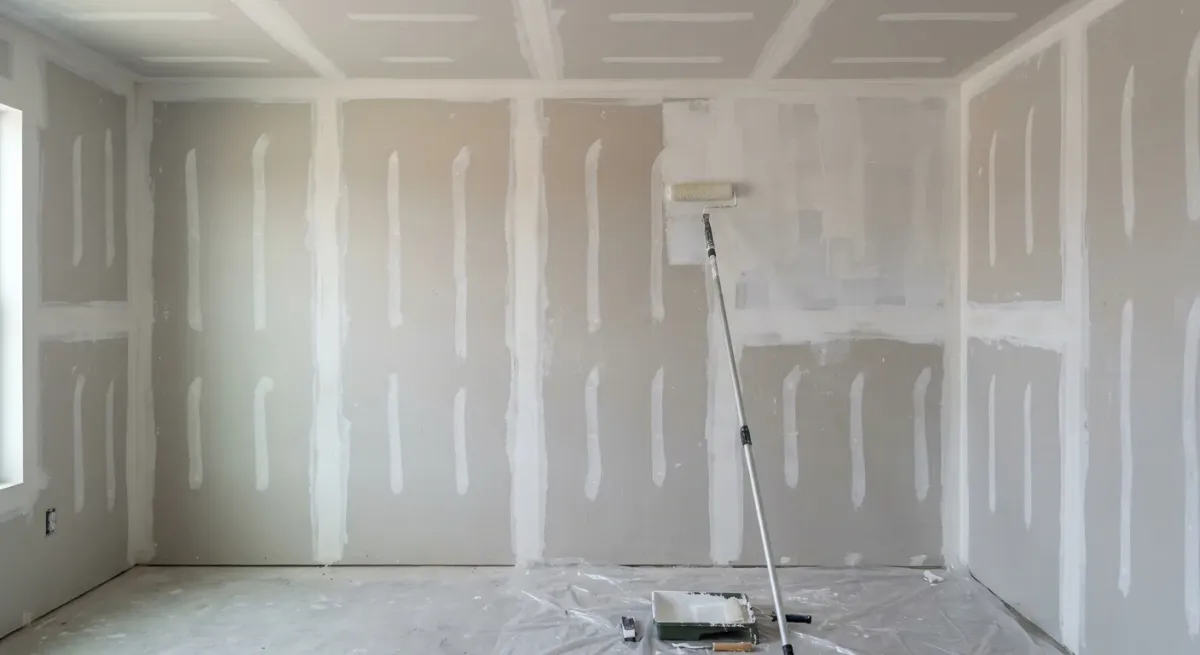
In the field
A look at our work
Ready to Talk About Your Walls?
Call or text the owner directly at (970) 576-6160. We'll talk through what your drywall needs and give you a straight answer on what's involved.
Frequently asked questions
What do you do to drywall before painting?
What counts as minor drywall damage versus repair work?
Can I just paint over an already painted wall?
How many coats of paint do interior walls typically need?
How does Colorado's dry climate affect drywall painting?
Which paint finish works best for high-traffic rooms?
Can painters apply two coats in one day?
Related
Next step
Tell us about the job
Your name, your number and what needs doing. A person from Domínguez Painting LLC gets back to you.
Rather talk now?(970) 576-6160